
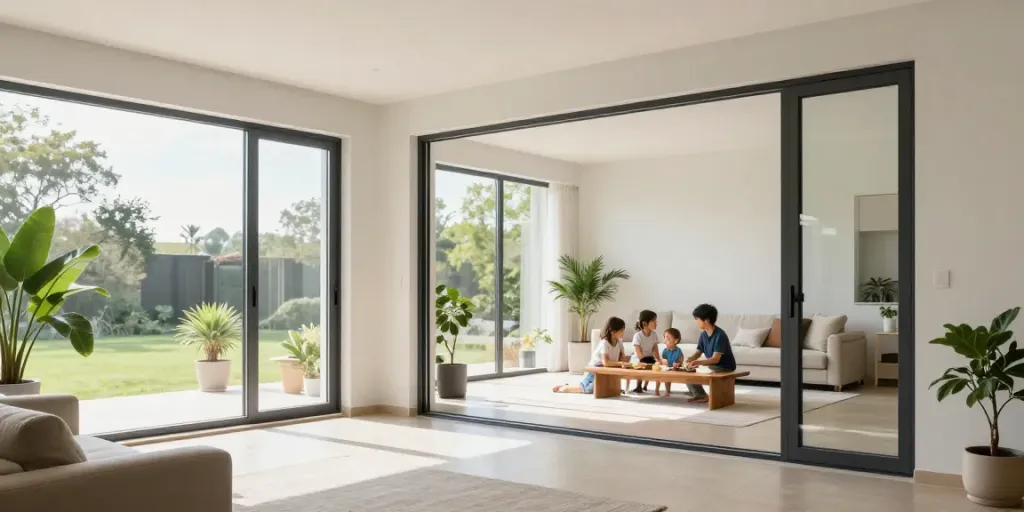
Introduction to Jendela Upvc
In today's modern architectural landscape, the choice of window materials plays a pivotal role in both aesthetic appeal and functional performance. Among the various options available, Jendela Upvc has emerged as a leading choice for homeowners and builders alike, offering a perfect blend of durability, energy efficiency, and low maintenance. As the demand for quality materials continues to grow, understanding the advantages of UPVC for windows is essential. This article dives deep into what makes UPVC windows stand out from traditional materials, exploring their benefits, installation processes, and customer insights.
What is Jendela Upvc?
Jendela Upvc refers to windows made from Unplasticized Polyvinyl Chloride (UPVC), a highly versatile plastic that is resistant to corrosion, effortlessly matching the needs of modern architecture. Unlike regular PVC, UPVC is formulated without plasticizers, resulting in a more rigid structure. This rigidity contributes to its long lifespan and effectiveness in various environmental conditions. UPVC is widely used in the construction of windows and doors due to its excellent insulative properties and resistance to the elements.
Benefits of Choosing Upvc for Your Windows
- Durability: UPVC windows are weather-resistant and do not warp, rot, or rust over time, making them an ideal choice for long-term investments.
- Energy Efficiency: UPVC windows provide excellent thermal insulation, helping to keep indoor temperatures stable and reducing energy costs.
- Low Maintenance: Unlike wooden windows, UPVC requires minimal upkeep, requiring only regular cleaning to maintain their appearance.
When exploring options, Jendela Upvc offers comprehensive insights that make them a worthwhile investment for any property.
How Upvc Compared to Other Materials
When comparing UPVC to traditional window materials such as wood or aluminum, several factors come into play. While wooden windows offer a natural aesthetic, they require frequent maintenance, painting, and are vulnerable to rot and termites. Aluminum, on the other hand, can conduct heat, making them less energy-efficient unless they are thermally broken. UPVC windows strike a balance, offering the benefits of both materials without their drawbacks.
Exploring the Advantages of Jendela Upvc
Durability and Maintenance of Upvc Products
One of the most significant advantages of UPVC windows is their remarkable durability. UPVC does not corrode or require treatment, unlike metal windows, which can rust. The toughness of UPVC also makes it resistant to scratches and fading, ensuring that your windows will preserve their aesthetic appeal over many years. Regular maintenance involves simple cleaning, which can be done with soapy water.
Energy Efficiency Benefits of Upvc Windows
In today's world, energy efficiency in homes is more critical than ever. UPVC windows have excellent insulation properties, reducing heat loss and keeping homes warm during winter and cool in summer. This translates to lower energy bills and a reduced carbon footprint. Research indicates that homes fitted with UPVC windows can see a significant decrease in their heating and cooling costs, making them a financially savvy choice.
Cost-Effectiveness Over Time
While the initial investment in UPVC windows may be higher than that of conventional materials, their long-term savings make them cost-effective. Their durability leads to fewer replacements and lower maintenance costs. Furthermore, the energy efficiency of UPVC windows leads to substantial savings on energy bills, enhancing their economic appeal.
Installation Process for Jendela Upvc
Preparing for Your Upvc Window Installation
Preparation is key to a successful UPVC window installation. Homeowners should ensure that their premises are ready, which includes clearing the area around the installation sites and checking for any existing issues that may affect the installation process. Additionally, it is crucial to measure the window openings accurately and ensure that the correct UPVC products are ordered.
Best Practices for Upvc Window Installation
To achieve optimal results during installation, following best practices is essential:
- Engage qualified professionals experienced in UPVC installations.
- Ensure that all necessary tools and materials are on hand before beginning the installation.
- Follow manufacturer guidelines meticulously to ensure product integrity.
Common Mistakes to Avoid During Installation
Homeowners should be aware of common mistakes that can compromise the installation, such as inadequate sealing, misaligning the window frame, and using improper tools. These mistakes can lead to drafts, leaks, and decreased efficiency of the windows. Therefore, hiring skilled professionals is advisable to mitigate these risks.
Customer Insights and Testimonials
Real-life Experiences with Jendela Upvc
Feedback from customers who have installed UPVC windows is overwhelmingly positive. Many users report satisfaction with their energy savings and reduced maintenance burdens. For example, one customer noted significant reductions in heating costs after switching to UPVC windows, stating, "I couldn’t believe how much warmer my home felt in winter after installing these windows!"
Comparative Feedback: Upvc vs. Alternatives
When comparing UPVC to its alternatives, users consistently highlight its superior energy efficiency and low maintenance demands. Customers often prefer UPVC over wood due to concerns about longevity and upkeep, while they appreciate its aesthetic flexibility compared to aluminum.
Identifying Customer Satisfaction Metrics
Customer satisfaction with UPVC products can be measured through various metrics, including feedback on energy savings, ease of use, aesthetics, and overall performance. Surveys often show high satisfaction rates, with many homeowners expressing a willingness to recommend UPVC windows to others.
Future Trends in Window Innovations and Upvc
Emerging Technologies in Window Manufacturing
The window manufacturing industry is evolving, with new technologies enhancing the performance of UPVC products. Innovations such as triple-glazing and smart glass technology are being integrated into UPVC windows to improve energy efficiency and functionality. These advancements are pushing UPVC to the forefront of sustainable building materials.
Sustainability Trends Impacting Upvc Products
As sustainability becomes a critical focus in the construction industry, UPVC manufacturers are responding by adopting more eco-friendly practices. This includes recycling old UPVC materials and producing windows with lower carbon footprints. Such initiatives not only reduce waste but also cater to the environmentally conscious consumer.
Predictions for the Home Improvement Market in 2026
As we look toward 2026, the home improvement market is expected to see an increased demand for energy-efficient and sustainable building materials. UPVC windows will likely dominate this trend due to their durability, aesthetic adaptability, and cost-effectiveness. Homeowners are increasingly seeking materials that offer long-term savings and environmental benefits.
What are the Best Designs for Modern Homes?
The modern architectural aesthetic favors clean lines and minimalistic designs, making UPVC windows a perfect choice. Popular trends include large, expansively glazed areas that allow natural light to flood interiors while maintaining energy efficiency. Customizable features and a variety of colors and finishes further enhance the appeal of UPVC windows, allowing them to seamlessly integrate into any home design.