
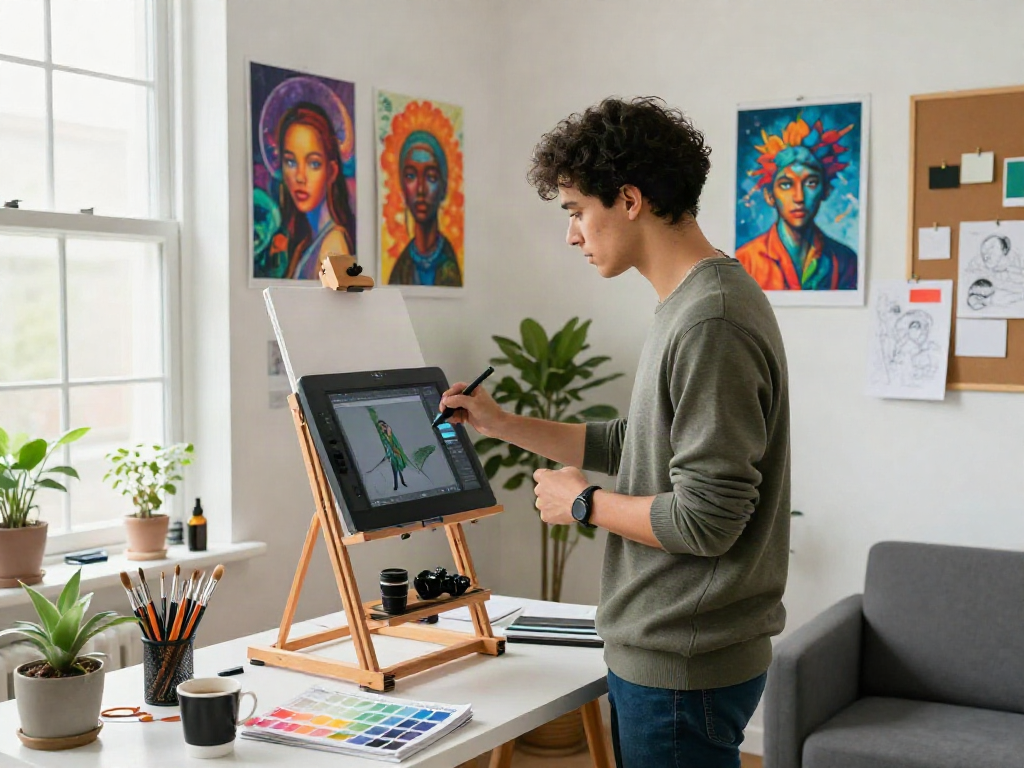
Understanding the Impact of AI on Art and Design
The fusion of artificial intelligence (AI) with art and design has dramatically transformed the creative landscape, reshaping how artists conceptualize and execute their work. As technology continues to advance, we find ourselves at a pivotal junction where traditional artistic practices meet innovative AI tools. This integration not only enhances creative capabilities but also raises pertinent questions about authorship, originality, and the future of artistic expression. In this evolving scenario, comprehensive platforms like ai 18+ offer valuable insights for artists navigating these changes.
What is AI Art and Why Does it Matter?
AI art refers to any creative work produced using algorithms and machine learning systems. By leveraging vast datasets, AI can generate images, music, poetry, and more, inspiring a fresh dialogue about what constitutes art. The significance of AI art lies in its ability to democratize creativity; individuals without formal artistic training can produce captivating works. Additionally, AI challenges long-held notions of creativity and originality, prompting artists and audiences alike to reconsider the essence of artistic expression.
The Evolution of AI Tools in Creative Industries
Over the past decade, AI tools have evolved from rudimentary applications to sophisticated systems capable of producing high-quality artistic content. Early initiatives in AI art were mainly experimental, focusing on basic image generation. However, recent advancements like deep learning and neural networks have expanded the potential for creating intricate artworks and immersive experiences. Today, renowned platforms are integrating AI in various creative fields, including graphic design, music composition, and film production, thereby revolutionizing how artists work and collaborate.
Challenges Faced by Artists in the AI Era
While the benefits of AI in art and design are significant, they come with a set of challenges. One major concern is the potential loss of uniqueness; as more artists utilize AI tools, distinguishing one's work becomes increasingly difficult. Furthermore, issues surrounding copyright and ownership arise when AI-generated content becomes prevalent, leading to potential legal disputes. Artists must also confront the fear that their creative instincts may be overshadowed by technological capabilities, prompting a reevaluation of traditional skills in the context of an AI-driven environment.
Exploring AI Technologies in Art Creation
The landscape of art creation is undergoing a significant transformation due to various AI technologies. Understanding these tools is essential for artists looking to stay relevant and make the most of their creative potential.
Popular AI Tools for Digital Artists
Several AI tools have gained traction among digital artists, each offering unique features to enhance creativity. For instance, tools like DALL-E and Midjourney enable users to generate stunning visuals from simple textual descriptions, providing artists with new avenues for inspiration. Additionally, applications such as Runway ML and Artbreeder allow for the manipulation of existing artworks, enabling artists to experiment with styles and techniques quickly. By incorporating these tools into their workflow, artists can streamline the creative process and explore innovative ideas.
How AI Enhances Artistic Techniques and Processes
AI enhances artistic techniques in numerous ways, from automating repetitive tasks to providing data-driven insights into audience preferences. For instance, AI algorithms can analyze color trends and stylistic elements, enabling artists to create works that resonate with current market demands. Moreover, AI can assist in the technical aspects of art creation, such as optimizing composition and enhancing resolution. This synergy between artist and technology allows for an enriched creative experience, fostering experimentation and pushing the boundaries of traditional art forms.
Real-World Examples of AI in Art Contributions
Many artists and institutions have successfully integrated AI into their creative practices. Noteworthy examples include the work of Mario Klingemann, who utilizes neural networks to create mesmerizing generative art. In addition, the AI-generated portrait "Edmond de Belamy," created by the collective Obvious, became a sensation when it sold at auction for over $432,000, showcasing the commercial viability of AI art. These instances underscore the growing acceptance of AI within the art community and its potential to redefine creative boundaries.
Best Practices for Integrating AI into Artistic Workflows
As artists increasingly embrace AI tools, understanding best practices becomes essential for maximizing their impact while maintaining artistic integrity.
Developing a Synergistic Approach to AI and Creativity
Artists should cultivate a mindset that views AI as a collaborator rather than a replacement. By developing a synergistic approach, artists can leverage AI to enhance their unique voice and vision. This involves understanding the capabilities of AI tools and integrating them thoughtfully into the artistic process, rather than allowing them to dictate the outcome. Such a partnership can lead to groundbreaking works that blend human intuition with machine learning.
Essential Skills for Artists Adopting AI Tools
To thrive in an AI-enhanced art landscape, artists must acquire new skills that complement their existing expertise. Familiarity with programming languages like Python or JavaScript can provide artists with the ability to customize AI tools according to their needs. Additionally, understanding data analysis and machine learning principles can empower artists to make informed decisions when creating AI-generated works. Continuous learning will be critical in adapting to the evolving technological environment.
Showcasing and Marketing AI-Enhanced Art
As AI art gains traction, artists need to adopt effective strategies for showcasing and marketing their works. Developing a personal brand that reflects their unique style and the role of AI in their creations can attract a dedicated audience. Social media platforms, online galleries, and virtual exhibitions provide avenues for artists to reach broader audiences. Furthermore, storytelling plays a significant role in marketing AI art; sharing the creative process and the collaboration with AI can engage viewers and foster a deeper appreciation for the work.
Performance Metrics for AI-Driven Art Projects
For artists and institutions exploring AI-driven art, understanding performance metrics is crucial for evaluating the success and impact of their projects.
Measuring Audience Engagement and Interaction
Audience engagement is a vital metric for assessing the effectiveness of AI art projects. Tools and platforms that track metrics such as views, likes, shares, and comments can provide valuable insights into audience interaction with AI-generated content. By analyzing this data, artists can refine their approaches, tailoring future works to enhance engagement and foster a loyal following.
Analyzing the Financial Impact of AI Art
The financial viability of AI art is an essential consideration for artists looking to make a living from their creations. Artists should assess the sales performance of their works, exploring pricing strategies that reflect both the uniqueness of their art and the innovative use of AI. Financial metrics, including revenue generated from art sales, licensing fees, and exhibition opportunities, can help artists make informed decisions about future projects and collaborations.
Case Studies of Successful AI Art Exhibitions
Several notable exhibitions have successfully showcased AI art to the public, demonstrating its potential within the art world. For example, the exhibition "Unnatural Intelligence" at the Venice Biennale highlighted a range of AI-generated artworks, attracting significant attention and dialogue among visitors. Such case studies serve as valuable references for artists seeking to organize their own exhibitions, providing insights into effective curation, marketing, and audience engagement strategies.
Future Trends in AI Art and Design for 2026
The future of AI art and design is poised for exciting developments as technology continues to advance. Artists must remain informed about upcoming trends to stay ahead in this rapidly evolving landscape.
Upcoming Innovations in AI Art Technologies
Looking toward 2026, we can anticipate several innovations in AI art technologies. Advancements in generative adversarial networks (GANs) will likely result in even more complex and realistic art generation. Additionally, AI might evolve to facilitate real-time collaboration between artists and machines, further streamlining the creative process. These innovations will not only enhance artistic capabilities but also encourage new forms of interactive art that engage audiences in unprecedented ways.
Predictions for the AI Art Market
As AI art gains mainstream recognition, we predict significant growth in the AI art market. The rise of NFT platforms has already demonstrated the commercial potential of digital art, and AI-generated works will likely follow suit. We may see the emergence of dedicated galleries and sales platforms exclusively for AI art, making it easier for artists to monetize their creations. This commercial expansion will also encourage more artists to experiment with AI tools, further enriching the art scene.
Preparing for Changes in Art Community Engagement
Engagement strategies within the art community will evolve alongside the integration of AI. Artists will need to be proactive in fostering connections with both traditional and digital audiences. This may involve hosting virtual workshops, creating interactive installations, or utilizing social media to engage with fans in real-time. Building a supportive community around AI art will be essential for sustaining interest and fostering collaboration among artists.
What is the Future of Art in an AI-Driven World?
Ultimately, the future of art in an AI-driven world hinges on the collaboration between humans and technology. While AI offers remarkable possibilities for creativity, it is the unique human experience and emotional depth that will continue to resonate in artistic expression. As artists navigate this new landscape, they must embrace the challenge of integrating AI thoughtfully, ensuring that their distinct voices remain at the forefront of their work. This balance will ultimately shape the future of art and design, leading to a richer, more diverse creative landscape.